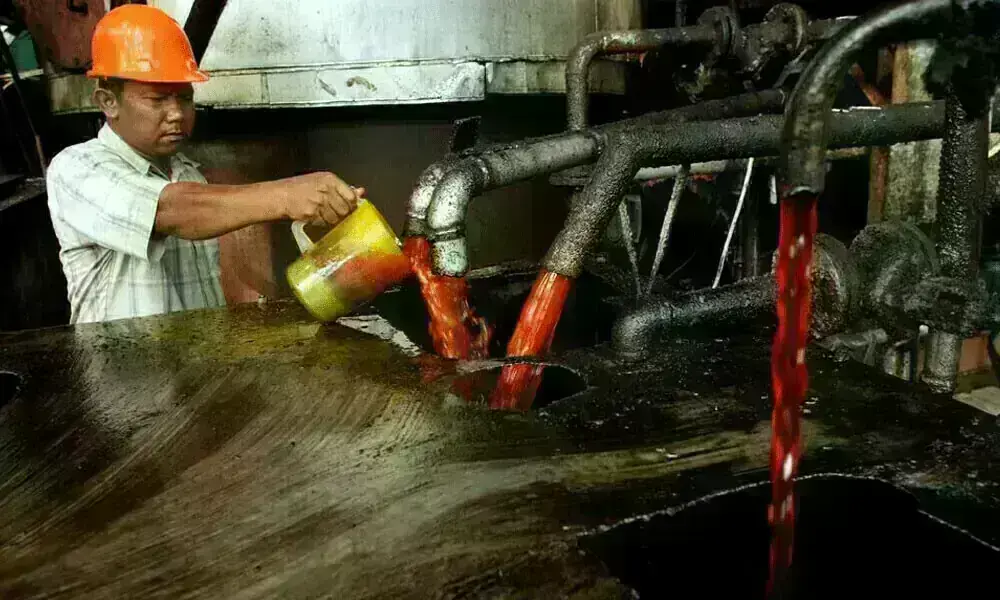
KUALA LUMPUR: Malaysian palm oil futures ended more than 1% higher on Monday, buoyed by optimism over Malaysia’s plan to raise its biodiesel mandate and stronger Chicago soyoil prices. The benchmark palm oil contract for July delivery on the Bursa Malaysia Derivatives Exchange rose 50 ringgit, or 1.09%, to 4,620 ringgit ($1,169.62) a metric ton at the close. Palm traded higher, drawing support from Malaysia’s biodiesel news while additional support came from a recovery in Chicago soyoil futures, said Anilkumar Bagani, commodity research head at Sunvin Group, a Mumbai-based brokerage. READ MORE: Palm oil reverses earlier gains and posts a weekly decline Malaysia will begin producing biodiesel with a mix of 15% palm oil in June in an effort to lower diesel prices, the country’s deputy prime minister said, adding that the increase will be done in phases, with the aim of shifting to a 20% mix and potentially approaching a 50% blend within the next two to three years. Soyoil prices on the Chicago Board of Trade were up 0.36%. The Dalian Commodity Exchange was closed for a holiday and will resume trading on May 6. Palm oil tracks the price movements of rival edible oils, as it competes for a share of the global vegetable oils market. Oil prices rose 1%, reversing earlier losses, supported by the absence of a U.S.-Iran peace deal, even as the U.S. said it would help secure safe passage for ships stranded in the Strait of Hormuz. Stronger crude oil futures make palm a more attractive option for biodiesel feedstock. The ringgit, palm’s currency of trade, strengthened 0.43% against the dollar, making the commodity more expensive for buyers holding foreign currencies. Indonesia exported 5.85 million tons of crude and refined palm oil in the March quarter, up 9.30% from a year earlier, statistics bureau data showed. Meanwhile, India’s palm oil imports fell 27% to a one-year low in April, as sluggish demand from institutional buyers and a recent price rally that eroded its discount to rival oils prompted refiners to curb purchases, five dealers said.
Palm climbs on Malaysia's biodiesel boost, stronger soyoil prices