geopolitics
 automated-news
Most Gulf markets in red as US-Iran negotiations show little headway Reuters
 automated-news
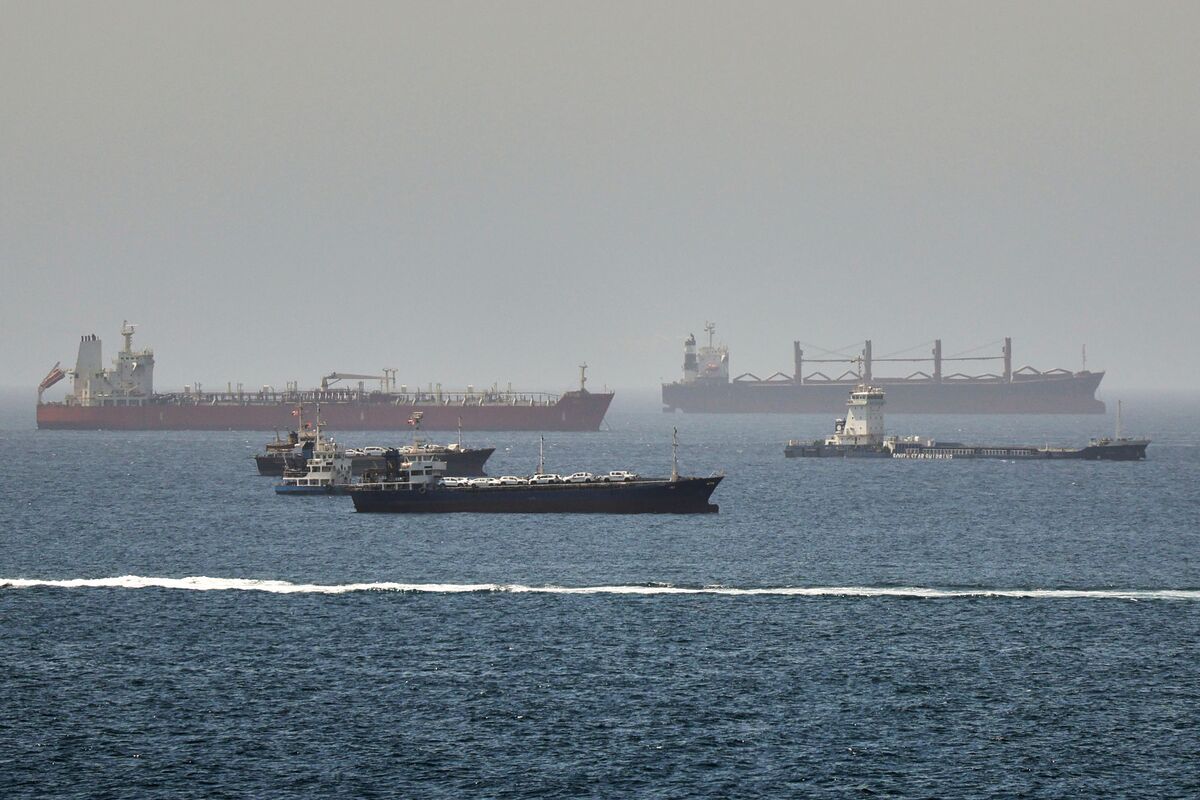
After more than 100 days trapped in the Persian Gulf, thousands of seafarers are still waiting for a chance to sail out of the Strait of Hormuz.
 automated-news
China called for the unhindered flow of shipping through the Strait of Hormuz, comments that come as leading European powers are apparently accepting that vessels will have to pay fees to Iran and Oman.
 automated-news
Trump should embrace a new negotiating approach, a new emphasis on regional security and deterrence, and a new commitment to preparing for the future. The post A misguided war, a flawed deal, and a dangerous future. Here’s what to do next on Iran. appeared first on Atlantic Council.
 automated-news
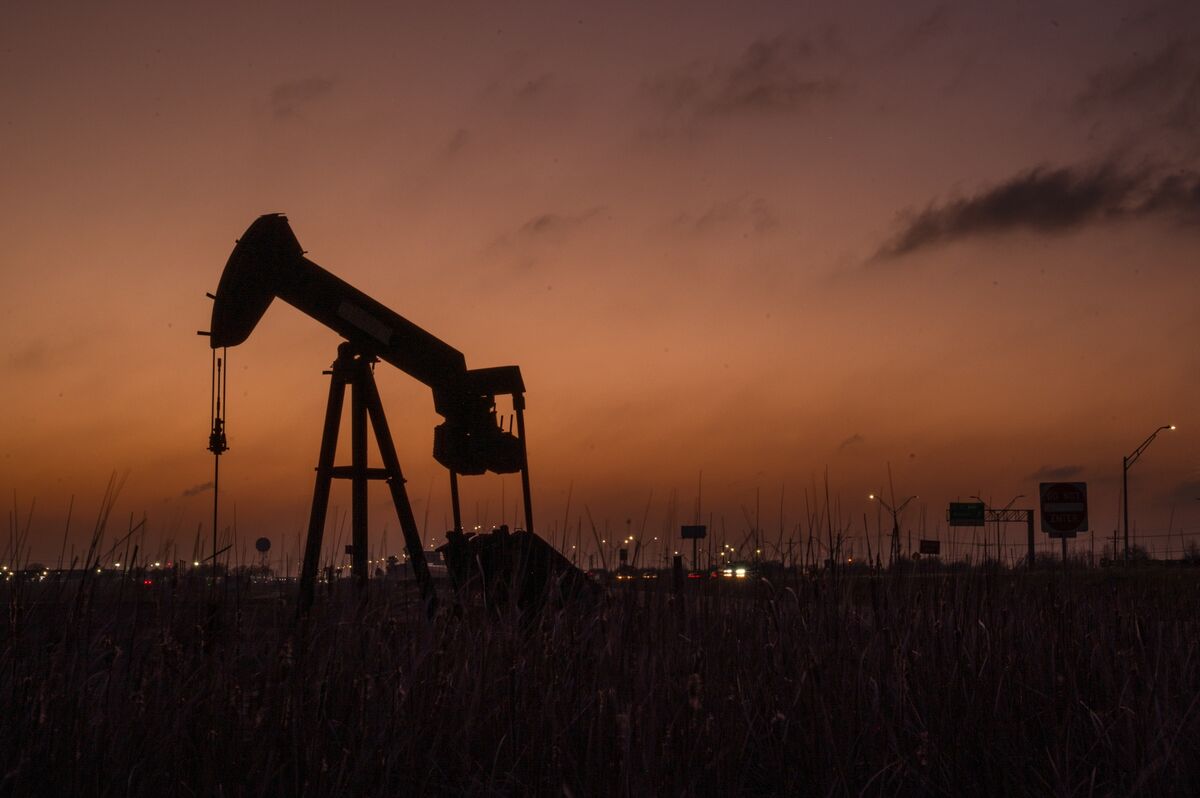
Oil steadied in thin trading as flows through the Strait of Hormuz increased further, adding to a gush of short-term supply while talks between the US and Iran continue.
 automated-news
China’s services activity eased less than expected in June, a private survey showed, adding to signs that the country’s economic momentum is picking up.
 automated-news
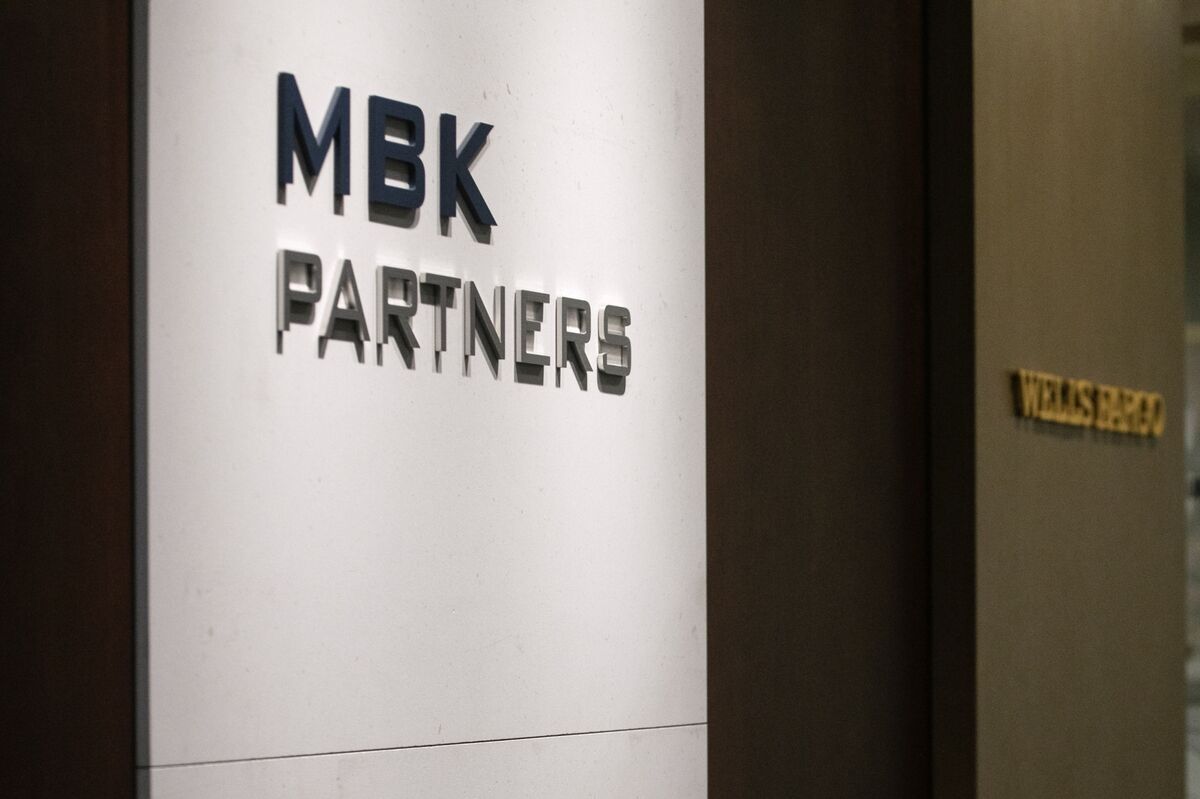
South Korea’s financial watchdog is moving ahead with sanctions against private equity firm MBK Partners Ltd. over issues related to its distressed portfolio company, retailer Homeplus Co.
 automated-news
What America’s armed forces can—and cannot—do for democracy.
 automated-news
America’s Gulf allies didn’t want a war with Iran, because they knew how it would end. Now, they face a bad peace and with it some unenviable choices. Should they, for example, embrace the fundamental logic of President Donald Trump’s US-Iran deal, which is that the Islamic Republic can be tamed by
automated-news
Trump should embrace a new negotiating approach, a new emphasis on regional security and deterrence, and a new commitment to preparing for the future. The post A misguided war, a flawed deal, and a dangerous future. Here’s what to do next on Iran. appeared first on Atlantic Council.
