intel
 automated-news
Large-scale terrorism has receded but smaller attacks by individuals recruited online are on the rise
 automated-news
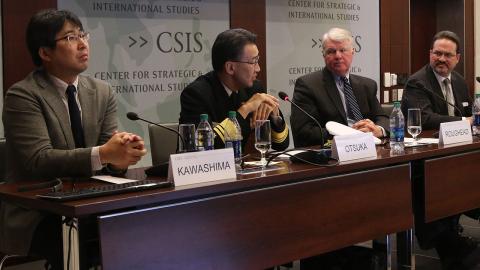
2016 U.S.-Japan Security Seminar Listing Summary Michael J. Green interviews JIIA President Yoshiji Nogami Drupal Admin Fri, 02/26/2016 - 12:54 Featured Image Image Contributors Michael J. Green Programs & Projects Japan Chair Parent Geopolitics and Foreign Policy Featured Image AdobeStock_179685887
automated-news
Large-scale terrorism has receded but smaller attacks by individuals recruited online are on the rise
 automated-news
There are some new wrinkles, especially for those who sell things online or bought an EV.
automated-news
“Unthreatening and respectful.” That is how the president of the United States described North Korea on Aug. 16, 2026, in his social media post ordering his secretary of defense to scale back joint exercises with South Korea. Two years earlier in Seoul, the U.S.-South Korean alliance agreed that Sou
automated-news
Cyber security remains a persistent concern for public and private sector organizations alike. Given the potential impact of cyber threats from criminal groups, adversarial states, and extremists, the topic draws substantial attention. Yet, in a field that evolves so quickly, some risks slip through
automated-news
Commerce Secretary Howard Lutnick has been chosen by the Department of Defense to review any transactions between the Pentagon and companies associated with Cerberus Capital Management, according to a US official.
automated-news
The United States has a chance to support Colombia’s path to recovery in a way that strengthens resilience and reinforces one of its most important partnerships in the region. The post How the US can support Colombia’s post-earthquake recovery—for the long term appeared first on Atlantic Council.
automated-news
US allies and partners are reassessing their intelligence needs and vulnerabilities—and the trend is toward greater autonomy. The post Without allies and partners, the US risks being alienated from the global intelligence networks it built appeared first on Atlantic Council.
automated-news
Evidence is growing that those most in need of state support bear the risk of an unsustainable spending policy. The post Brazil’s debt crisis reveals a progressive spending paradox appeared first on Atlantic Council.
